


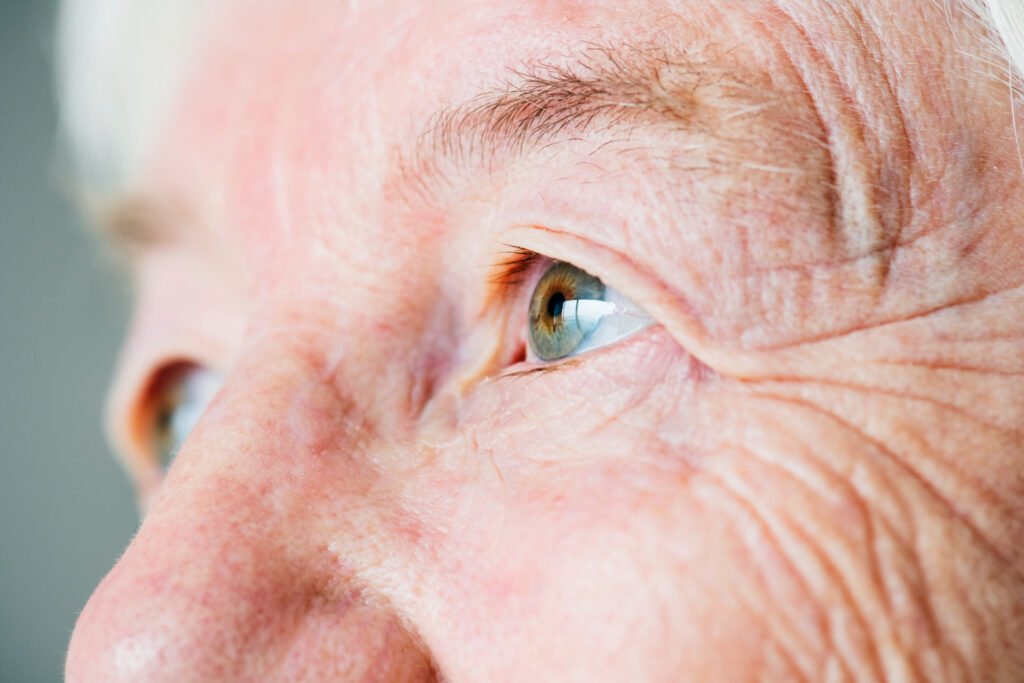
As late fall settles in and daylight fades earlier, we tend to notice how it affects our daily routines. The shift in seasons can also bring changes to how our eyes feel and function. For many people, this time of year may bring more than just dry air or the need for sunglasses during lower sun angles. It can also be when signs of cataract and macular degeneration seem more noticeable.
These eye conditions don’t usually appear overnight. They tend to develop slowly, and the seasonal shift can make early symptoms harder to ignore. That’s why fall is a good time to start paying more attention to your eye health, especially if you’re already managing changes in how you see.
What Are Cataract and Macular Degeneration?
It’s easy to confuse cataract and macular degeneration, but they affect the eyes in different ways. A cataract happens when the lens inside the eye becomes cloudy. Over time, this clouding can make things look blurry, dull, or yellowed. You might notice it more when driving at night or reading in dim light.
Macular degeneration, on the other hand, is linked to changes in the central part of the retina, called the macula. It can affect your ability to see fine details clearly, like reading small print, recognizing faces, or seeing clearly in your direct line of vision. Peripheral vision usually stays the same.
Both conditions tend to be more common with age and develop slowly, making them easy to miss at first. They may not hurt, but they do change how we see the world over time. That’s why understanding how they show up and when can help you stay ahead of bigger vision problems later on.
Why Fall Conditions May Make Vision Symptoms More Noticeable
The switch into late fall means shorter days, longer nights, and different lighting around us. That alone can shift how our eyes function day to day. When the sun sets earlier, we use more artificial lighting indoors. Indoor lighting isn’t always bright enough or positioned to reduce glare, which can cause eye strain, especially if vision is already changing.
Fall sunsets come at an angle that can increase glare, especially while driving during evening hours. For anyone already dealing with early-stage cataract or macular symptoms, that glare may seem sharper or more uncomfortable.
Cooler, drier air may also play a role. Even in a place like Florida, the humidity can dip just enough to lead to dry, irritated eyes. When your eyes feel dry or gritty, it can make vision feel worse, especially in combination with cloudy or low light. The changes aren’t always dramatic, but they add up and can draw attention to underlying conditions you might not have noticed until now.
Lifestyle Changes in Late Fall That May Influence Eye Health
How we live in fall affects our eyes, too. When cooler weather and shorter days roll in, we naturally spend more time indoors. Less time outdoors means less natural light for the eyes to adjust to, which can lead to more reliance on screens, lamps, and digital devices.
Screen-heavy days, especially when paired with indoor lighting that doesn’t offer enough contrast, may lead to eye fatigue or make clarity harder to maintain. This can make shift-related vision changes stand out more than before.
Add in bright holiday lights, reflective surfaces, and darker surroundings, and it’s easy to feel like your eyes are working harder than usual. For someone in the early stages of cataract or macular degeneration, this extra strain can amplify small issues that may have gone unnoticed earlier in the year.
When It’s Time to Check In With an Eye Care Professional
If you’ve caught yourself squinting more often or feel like your glasses or contacts aren’t cutting it anymore, it could be a sign that your eyes have shifted. That’s often when people start to consider eye exams again, especially during seasonal transitions when symptoms become harder to ignore.
A preventive eye exam doesn’t mean something is wrong. In fact, it’s usually a way to make sure everything is on track. It can help uncover early signs of cataract and macular degeneration even if nothing obvious feels off. Getting this information ahead of time gives you room to make small adjustments that might help with day-to-day comfort.
At Eye Envy Optical & Sunglasses, digital retinal imaging is used as part of a comprehensive evaluation to help identify early signs of these conditions, supporting more accurate and comfortable care for every patient. Their team provides specialized cataract and macular degeneration evaluations in Fernandina Beach and throughout Nassau County, Florida.
There’s no need to wait until vision changes become frustrating. If something feels off or harder than usual, fall can be a smart time to check in.
Keep Your Eyes Protected This Season
Late fall has a natural way of slowing things down. Schedules shift, the days feel different, and we settle into a quieter pace. That makes it a good time to pay attention to the way your eyes feel, how clearly you’re seeing, or whether small tasks have become more tiring to do.
You may not think much about how seasonal changes impact vision until they do. But when lighting changes, air moisture dips, or screen time increases, it can bring those early signs to the surface. Staying in tune with how your eyes respond now can help you feel more confident and comfortable heading into winter.
Seasonal changes can affect how your eyes handle light and detail, sometimes revealing the early signs of conditions like cataract and macular degeneration. Staying proactive with a quick, comfortable check-in helps you manage those shifts before they become more noticeable. At Eye Envy Optical & Sunglasses, we’re ready to help you see more clearly and feel more confident going into winter. Contact us today to schedule your next eye exam.