


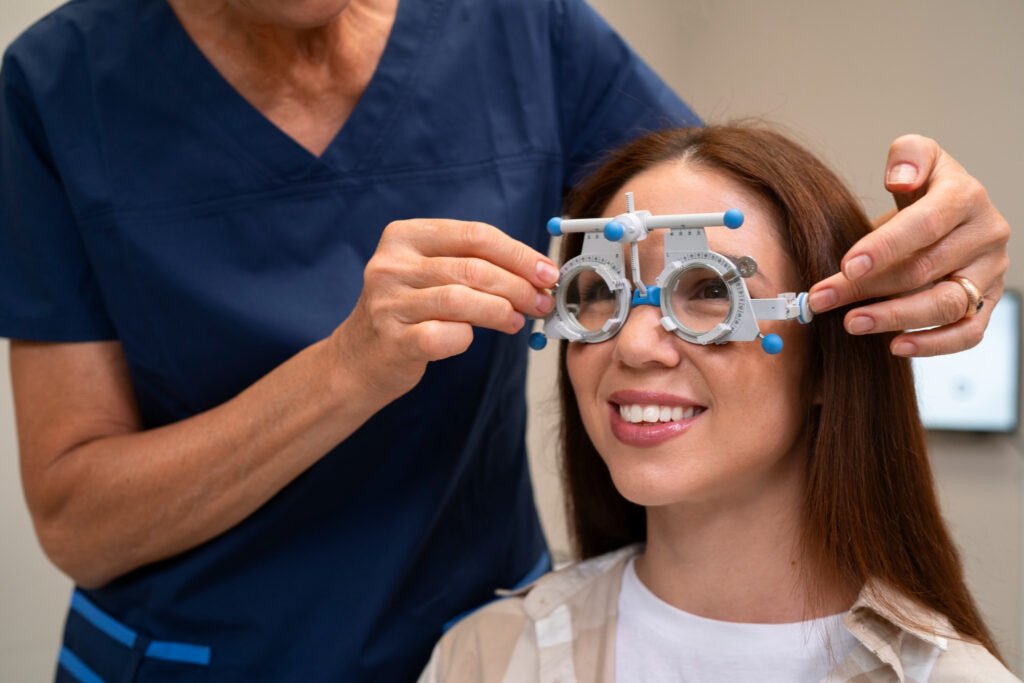
If your eyes feel tired or you find it hard to concentrate during work or school, especially after hours on a screen, you’re not alone. Many people experience eye fatigue without realizing it’s tied to how their eyes focus or move. One way to help with this is through vision therapy eye exercises. These are not designed to fix blurry distance or close-up vision. Instead, they’re used to support the way your eyes work together for tasks like reading or paying attention to what’s in front of you. While they may seem simple on the surface, these exercises can make a real difference with daily focus and visual comfort, especially when our schedules get heavier and the days grow darker.
Understanding Vision Fatigue and Focus Trouble
When our eyes get tired, it doesn’t always look or feel the same for everyone. Some people notice their eyes blur after reading for a while. Others might feel pressure around their eyes or get regular headaches that seem to appear after a long day. These signs often point to eye fatigue.
Trying to focus on detailed tasks, like reading small print or scanning a screen filled with text or numbers, puts steady demand on our eyes. We might not notice right away how tiring that can be. The longer the day goes on, the more the strain tends to build. By the time dinner rolls around, it feels like your eyes have given up.
In late fall, as daylight hours shrink, these issues can feel even worse. Dark mornings and early darkness in the afternoon mean more time spent indoors with artificial lighting. That shift in lighting affects how our eyes adjust between bright and dim spaces. Plus, drier air and screen glare tend to show up more as temperatures drop, all of which combine to make vision fatigue more noticeable.
What Vision Therapy Eye Exercises Aim to Improve
Vision therapy eye exercises are usually done with the support of a trained eye care specialist. These activities are meant to help the eyes move more evenly and work in sync. That becomes especially important when reading lines of text or following motion across a screen.
Here are a few ways these exercises support eye comfort and performance:
• Some help improve how steadily your eyes track words or objects, reducing the effort it takes to stay focused.
• Others guide the eyes to shift more smoothly between near and far distances, which can be hard when switching between books and whiteboards, or screens and paper.
• They may focus on building control and endurance, like a workout for your eyes, rather than just trying to correct overall vision.
We provide customized vision therapy plans that include structured exercises to address eye teaming, tracking, and focusing issues. Our team leverages modern diagnostic technology to evaluate binocular vision and target the underlying reasons for eye fatigue and focus loss.
While the idea might sound simple, these aren’t the kind of exercises to guess through on your own. A professional builds the plan based on specific needs, after looking at how your eyes behave during daily routines. The exercises are typically short, not something that takes up your whole day, but they’re done step by step to make steady progress over time.
Who Might Benefit From These Eye Exercises
Some vision problems show up gradually. You may not notice focus issues until they begin to interfere with reading, learning, or work. Different age groups experience those shifts in different ways.
• Children may start to dislike reading or say their eyes feel tired after only a short time. They might have trouble staying seated during schoolwork because it’s harder to stay visually engaged.
• Adults, especially those working on computers for most of the day, often report heavy eye strain or fogginess as the afternoon sets in.
• People of any age who feel like their mental focus slips during simple visual tasks, like filling out forms, reading charts, or doing homework, might be dealing with poor eye teaming without knowing it.
If these patterns sound familiar, it’s possible your eyes aren’t working as smoothly as they could. While glasses help fix how clearly you see, these kinds of problems involve how efficiently your eyes handle tasks and whether they’re in sync across both sides. That’s where targeted exercises might enter the picture.
Why Late Fall Is a Smart Time to Start
The season we’re in plays a big role too. Late fall brings shorter, dimmer days, and with that comes a heavier reliance on screens and indoor lights. It’s the kind of change that creeps up quickly.
Fall can highlight focusing challenges you might have tuned out during sunnier months. Since there’s less natural light for your eyes to balance with, the flaws in eye movement or teamwork can feel louder. You may find little things, like following a recipe, switching between a laptop and phone, or helping with homework, become much harder to do without rubbing your eyes or needing a break.
• More time indoors means more screens, fewer visual breaks, and stronger contrast between lights and shadows.
• Holiday planning and tighter schedules often start around this time, stacking up extra pressure on tasks that already made your eyes tired.
• Addressing subtle changes soon allows time for eye habits to settle before the busier stretch of winter hits.
Getting a head start on addressing these symptoms in November means setting yourself up for less visual stress when the end-of-year push arrives. With more consistent lighting and predictable routines, it becomes easier to focus on small improvements that can add up over time.
Personalized Support for Every Age
When your eyes feel tired or it seems harder to stay focused than it used to, it’s worth paying attention to those signs. Vision therapy eye exercises are one option that can help support the way your eyes function day to day. They won’t fix everything overnight, but they can make everyday activities feel less exhausting.
Small exercises and consistent visual check-ins can act as reset points in your daily routine, especially when paired with the seasonal shift that forces many of us indoors. The more you understand what’s challenging your vision, the better you can steady your focus and lower the frustration that sometimes tags along with it.
When everyday tasks leave your eyes feeling overworked or your focus slipping, it may be a sign to consider how your eyes function behind the scenes. We help people of all ages discover how vision habits impact comfort, clarity, and attention. For many, support includes guided activities like vision therapy eye exercises to gently strengthen how the eyes work together. At Eye Envy Optical & Sunglasses, we’re ready to help you find practical solutions to reduce visual fatigue and regain control of your focus, contact us to get started.