


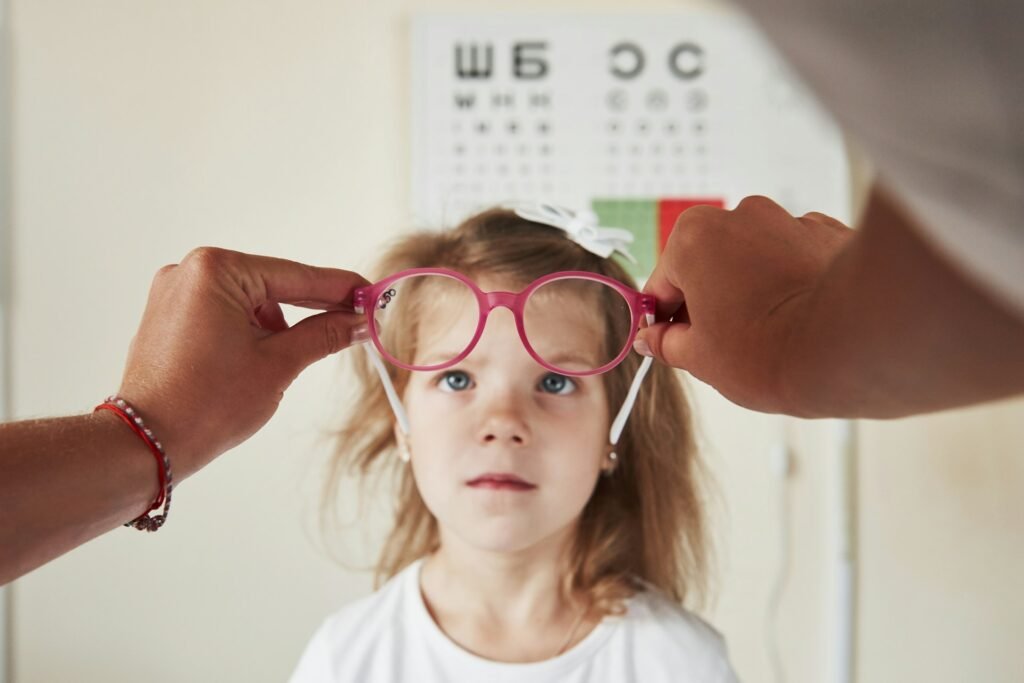
A lazy eye, also called amblyopia, can be easy to miss, especially in younger children who might not notice anything feels off. It usually happens when one eye doesn’t develop the same focus or strength as the other, causing the brain to rely more on the stronger eye. Over time, this can affect how both eyes work together. While many parents assume glasses will fix the issue, that’s not always the full story. Sometimes, the eyes need extra support to start working as a team. This is where lazy eye vision therapy can play a part, helping children improve how their eyes and brain communicate as they grow. For families wondering what to do when a lazy eye is diagnosed, knowing there are guided ways to support stronger visual habits can be reassuring, especially during early development.
What Is a Lazy Eye and How It Affects Kids
Most of the time, a lazy eye shows up in subtle ways. Kids might squint more than usual, tilt their head when trying to focus, or seem to use one eye more than the other. These signs might be easy to overlook during a busy day, especially when kids are already active and full of energy.
A lazy eye isn’t just about blurry vision, and it’s not always something that glasses alone can correct. It’s a difference in how the brain processes information from each eye. One eye may not be sending a strong or clear signal back to the brain, which can affect how both eyes work together.
This can make certain tasks harder, especially ones that need strong depth perception or coordination. Kids might run into trouble with handwriting, sports, reading, or even recognizing people from a distance. It can also make them feel self-conscious if they notice they’re not seeing things the same way their friends do.
Some children might avoid tasks that seem frustrating or uncomfortable, even if they don’t know why. That’s one reason spotting these patterns early and staying open to support options really matters.
Why Early Support Matters
In childhood, the eyes and the brain are still learning how to work as a team. That learning window doesn’t stay open forever, which is why many professionals encourage families to act while children are younger. The earlier a concern is noticed, the more time there is to gradually support improvement before those patterns become hard to change later.
Regular eye exams play a big role in this. They help catch things that might not be obvious to parents. Kids don’t always know how to describe what they’re seeing, and a lazy eye often doesn’t cause pain or sudden symptoms. It can show up quietly over time.
Even if a child passes a basic vision screening, there could still be gaps in how their eyes are working together. By looking more closely at how well each eye communicates with the brain, a full exam can uncover challenges that need attention. Getting answers early gives families more room to explore next steps at a comfortable pace.
What to Expect From Vision Therapy for Lazy Eye
If a child has a lazy eye, vision therapy may be suggested to help train the eyes to work better as a pair. Every child is different, so therapy isn’t one-size-fits-all. It’s shaped around what feels manageable and useful for that child’s needs and abilities.
In most cases, these sessions include simple, hands-on activities meant to gently encourage the weaker eye to stay active. That could mean using puzzles, lenses, eye patches, or games that require focus and movement together. With the guidance of a professional, the exercises are meant to improve how the eyes send messages to the brain and how the brain responds.
The goal of lazy eye vision therapy is to help the brain and both eyes get better at sharing the job of seeing. It doesn’t happen overnight. Progress comes through steady repetition, small gains, and regular support. It’s meant to feel like a helpful nudge, not pressure, and many families find it fits naturally into their routine once they understand what to expect.
Vision therapy often takes place over weeks or months, allowing for gradual improvement that fits well with the rhythms of childhood and family life. With guidance along the way, parents can be reassured that small steps and patience are both part of the process.
Supporting Progress at Home and in Daily Life
What happens between visits can also make a difference. Kids respond well to consistency, familiar routines, and encouragement. Even without needing to create new plans or force anything, families can support progress by making therapy a regular part of the week, just like brushing teeth or reading before bed.
A few helpful habits might include:
• Encouraging short, focused activities at home when possible
• Praising small wins, like holding still during an activity or remembering to use both eyes
• Keeping up with regular appointments, even if improvement isn’t immediate
• Staying patient through both good and tricky days
It helps when vision building feels like play instead of a chore. Reading together, drawing, building with blocks, or using memory games all count as time spent reinforcing visual skills. Keeping things light and positive helps kids approach therapy with a better attitude and less stress.
Many parents also find it easier when they treat vision exercises like part of daily life, not something separate from the rest of the day. That way, progress feels like forward motion instead of one more thing on the list.
Incorporating creative games or daily activities into a child’s routine not only reinforces therapy goals but also helps them form positive feelings about their abilities and growth. This kind of support at home builds confidence as children see their own efforts pay off, even in small ways.
Specialized Care for Childhood Amblyopia
At Eye Envy Optical & Sunglasses, we offer customized vision therapy sessions as part of our services for children with amblyopia. Our experienced team uses a range of exercises, games, and technology to create a supportive, positive experience that helps kids develop stronger eye coordination. The goal is always to make therapy manageable and encourage progress without unnecessary stress.
Vision therapy plans are tailored based on each child’s age, needs, and response, consistent with our commitment as Nassau County’s trusted destination for pediatric vision care. We believe that every family deserves clear communication, easy-to-follow routines, and ongoing support for visual success.
Working with professionals makes it easier for families to have their questions addressed and for children to feel supported by a team that understands their unique needs. Families can rely on personalized guidance to adjust routines and techniques, making therapy sessions productive and empowering for every child.
A Clearer Path Forward for Kids With Lazy Eye
Having a lazy eye does not mean a child will always struggle to see clearly or keep up with friends. With early attention, gentle routines, and tools like vision therapy, many kids grow stronger in how they use their eyes together.
Even small steps can support better visual habits over time. The key is patience and creating an approach that fits into everyday life. For families with questions or concerns, knowing that support exists can ease the uncertainty of what comes next.
By noticing early signs, asking questions, and staying steady with support, parents give their child the best chance to build stronger visual skills. Every step, no matter how small, moves things in the right direction.
We support your child with age-appropriate solutions that help build confidence and visual strength every day. With consistent routines and guided care, children can take positive steps toward more comfortable vision. One option we may recommend is lazy eye vision therapy, which can be shaped to encourage better coordination as your child grows. At Eye Envy Optical & Sunglasses, our team focuses on making vision care feel manageable for families. Contact us today to schedule an appointment and see how we can help your child thrive.